


Funktionen
Große Unternehmen erzielen bis zu 97 Prozent CPU-Einsparungen bei Batch-COBOL-Workloads - ganz ohne Änderungen am Source Code. Erfahren Sie, wie führende Organisationen Lastspitzen beherrschen, Kapazitäten zurückgewinnen und Ressourcenengpässe durch nahtlose Workload-Verteilung lösen.
Wir sprechen täglich mit Kunden über die Herausforderungen beim Betrieb hochvolumiger Mainframe-Umgebungen, in denen Effizienz und Kostenkontrolle oberste Priorität haben. Dabei wissen wir: Kapazitätsprobleme entstehen nicht immer nur durch ein hohes Workload-Volumen. Häufig liegt die Herausforderung darin, dass zu viele Workloads im selben Zeitfenster auf dieselben Ressourcen zugreifen.
Ressourcenkonflikte entstehen, wenn:
JOPAZ sorgt für ein neues Gleichgewicht, indem es ressourcenintensive COBOL-Batch-Workloads auf effizientere Engines umverteilt und so das Verhalten dieser Spitzenlasten verändert, ohne die Anwendungen zu verändern.
Was ändert sich: Ausführungspfad, CPU-Verhalten und Laufzeitumgebung (JVM)
Was nicht: COBOL-Quellcode, Daten, Planungsframework und Ausgaben
Im Folgenden zeigen wir, wie drei große Unternehmen aus unterschiedlichen Branchen enorme CPU-Einsparungen erzielt und ihre Ressourcenkonflikte dauerhaft gelöst haben..
Schließen Sie sich mehr als 15.000 anderen Mainframe-Anwendern an, die fachkundige Ratschläge und Branchennachrichten direkt in ihren Posteingang erhalten.
Danke. Du stehst auf der Liste.
Bitte überprüfen Sie die markierten Felder und versuchen Sie es erneut.
Für eine bedeutende nordamerikanische Mitgliederorganisation, die Dienstleistungen in den Bereichen Automobil, Reisen und Finanzen anbietet, hatte die Schaffung von Planbarkeit höchste Priorität. Die Batch-Verarbeitung trieb die Kosten für den Rolling 4-Hour Average (R4HA) in die Höhe und machte eine bessere Verteilung der Workloads dringend erforderlich.
Das Unternehmen wandte sich an JOPAZ, um die eigentliche Ursache für die Konflikte bei der Arbeitslast zu beheben.
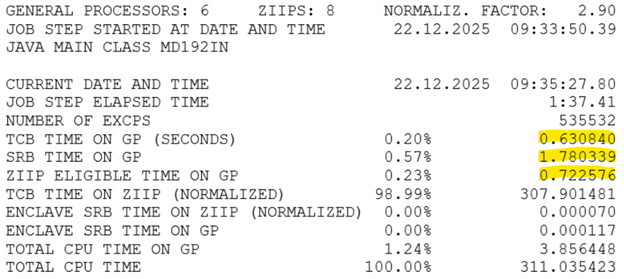
Dies ermöglichte ihnen, IBM zIIP-Engines zu nutzen und den Spitzen-GP-Druck durch Umverteilung der Ausführung zu reduzieren
Die Auswirkung war unmittelbar und beträchtlich:
Ohne JOPAZ
Mit JOPAZ
Ein führender nordamerikanischer Energieversorger mit einer großen Db2-Präsenz benötigte eine strategischere Nutzung seiner vorhandenen Verarbeitungsressourcen.
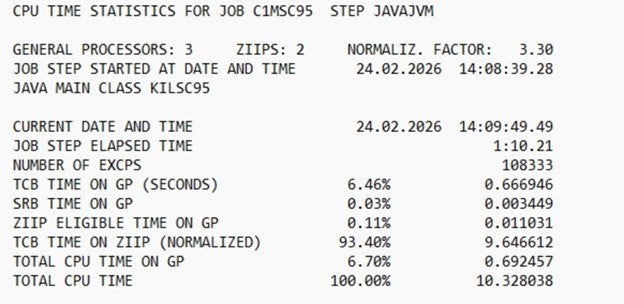
Ähnlich wie im ersten Fall wandte sich der Kunde an JOPAZ, um seine Batch-COBOL-Prozesse für die Ausführung auf seiner zIIP-Engine vorzubereiten. In diesem Fall stand der zIIP-Engine nur begrenzte Kapazität für die Nutzung durch JOPAZ zur Verfügung, sodass nach den erfolgreichen ersten Ergebnissen eine zweite zIIP-Engine hinzugefügt wurde.
Ohne JOPAZ
Mit JOPAZ – Einzel-zIIP-Engine
Mit JOPAZ – 2 zIIP-Prozessoren
Die anfänglichen Tests waren so vielversprechend, dass der Kunde sofort dedizierte Ressourcen beauftragte, um das Projekt bis zur Fertigstellung voranzutreiben. Am wichtigsten ist, dass dies ohne Änderungen am Code oder an der Geschäftslogik erreicht wurde.
In Südamerika wickelt ein führendes Zahlungsdienstleistungsunternehmen jährlich Milliarden von Transaktionen ab. Im Gegensatz zu den anderen Beispielen handelte es sich hier um eine reine VSAM-Umgebung ohne traditionelle Datenbanken, die aussergewöhnlich grosse und komplexe Anwendungen aufwies.
Da sich in ihrem Rack bereits vier ungenutzte zIIP-Prozessoren befanden, sah das Unternehmen in JOPAZ die perfekte Möglichkeit, GP-Kapazität zurückzugewinnen. Sie begannen damit, ein komplexes Programm mit 54.000 Zeilen neu zu kompilieren. Mit den Worten unseres Kunden: „Wenn JOPAZ diese Anwendung bewältigen kann, kann es alles bewältigen.“
Wie unsere Kunden bestätigen können, muss Modernisierung nicht bedeuten, dass eine riskante, jahrelange Migration in die Cloud durchgeführt wird. Die Herausforderung besteht nicht darin, ob COBOL funktioniert. Es geht darum, ob eine geringe Anzahl von Jobs während kritischer Zeitfenster unverhältnismäßigen Druck verursacht. Anstatt ihre Workloads zu ändern – umzuschreiben, neu zu planen oder zu entfernen – holen Unternehmen fast ihren gesamten Batch-COBOL-CPU-Bedarf zurück, indem sie ändern, wo diese ausgeführt werden.
Ganz gleich, ob Sie mit DB2, VSAM, Adabas oder sequenziellen Dateien arbeiten – die Ergebnisse zeigen durchweg eine CPU-Einsparung von über 80%, oft sogar bis zu 97%, und das bei vollständiger Beibehaltung Ihrer bewährten Geschäftslogik.

Erfahren Sie, wie die JOPAZ-Demo „Modernisierung“ Ihre COBOL-Workloads umgestaltet, um wertvolle Ressourcen freizusetzen – ganz ohne geschäftliche Risiken.

JOPAZ kompiliert COBOL-Code in Java-Bytecode, um Workloads auf dem zIIP-Prozessor auszuführen, wodurch die Auslastung der Mainframe-CPU reduziert und Kapazitäten freigesetzt werden, ohne dass Codeänderungen erforderlich sind.

JOPAZ optimiert COBOL-Workloads auf IBM Z, indem es diese in zIIP-fähiges Java kompiliert und somit GP-Kapazitäten für KI, Analytik und Innovation ohne Unterbrechung freisetzt.