



Apache Kafka se ha convertido en el sistema nervioso de las empresas modernas. Impulsa aplicaciones basadas en eventos, paneles operativos y las experiencias digitales instantáneas que tus clientes esperan hoy en día. En todos los sectores, las organizaciones transmiten miles de millones de eventos a diario —desde transacciones móviles hasta señales del IoT o datos de comportamiento de navegación— y utilizan esa información para actuar en el momento. Sin embargo, incluso las arquitecturas Kafka más avanzadas suelen pasar por alto una fuente de información fundamental: el mainframe.
Más de 80% de las empresas de la lista Fortune 100 confían en Kafka como columna vertebral de sus «datos en movimiento». Sin embargo, muchas de esas mismas organizaciones siguen gestionando sus procesos empresariales fundamentales —pagos, inventario, registros de clientes— en mainframes que no se conectan de forma nativa a Kafka. El resultado es un canal de datos moderno al que le falta su contexto más valioso.
Para aprovechar todo el potencial de Kafka, es necesario incorporar los datos del mainframe.
Por qué los datos del mainframe pertenecen al flujo
Los mainframes impulsan silenciosamente las transacciones y los registros que definen el funcionamiento de las grandes empresas. Contienen los datos más precisos y confiables de la organización, datos que representan décadas de operaciones comerciales, historial de clientes y rendimiento financiero.
La integración de estos datos en Kafka no solo amplía su base de datos, sino que la enriquece. Cuando los datos del mainframe se combinan con los eventos de la nube, los dispositivos móviles y la web, no solo se puede ver lo que está sucediendo en ese momento, sino también lo que significa en su contexto. Se pueden identificar patrones, relaciones y anomalías que no son visibles a partir de los datos de las aplicaciones por sí solos.
Esa combinación de profundidad e inmediatez es lo que da a las plataformas de datos modernas su poder.
Por qué no es fácil conectar los mainframes a Kafka
Los mainframes no fueron diseñados para conectarse a plataformas modernas de transmisión de eventos. Los enfoques tradicionales para establecer esta conexión (trabajos por lotes, canalizaciones ETL o API personalizadas) son costosos, frágiles y a menudo introducen más riesgos que beneficios. También agotan los recursos, ya que cada solicitud de datos requiere conocimiento especializado y tiempo de los administradores de bases de datos que mantienen esos sistemas. Además, los conectores desarrollados internamente y las extracciones manuales a menudo no logran proporcionar la estabilidad y el control que las empresas necesitan para integrar los mainframes de forma segura en arquitecturas de datos modernas. Para muchas organizaciones, aquí es donde se detiene la modernización. El negocio quiere los datos, pero TI no puede permitirse la interrupción.
Protege lo que importa mientras permites el progreso
Dentro de cada empresa se encuentran los expertos que mejor conocen el mainframe: los DBA que lo mantienen seguro y estable. Ellos entienden lo críticos que son esos sistemas y tienen buenas razones para ser cautelosos con cualquier cosa que pudiera comprometerlos. Por eso, el enfoque correcto es empoderar a estos custodios del mainframe con las herramientas y la confianza para compartir datos de forma segura, sin ceder el control. Cuando la integración no es invasiva, está completamente gobernada y el acceso se puede limitar a solo lectura, los DBA pueden mantener la integridad del sistema de registro mientras abren nuevas posibilidades para el negocio.
Una forma más segura de conectar Kafka y el mainframe
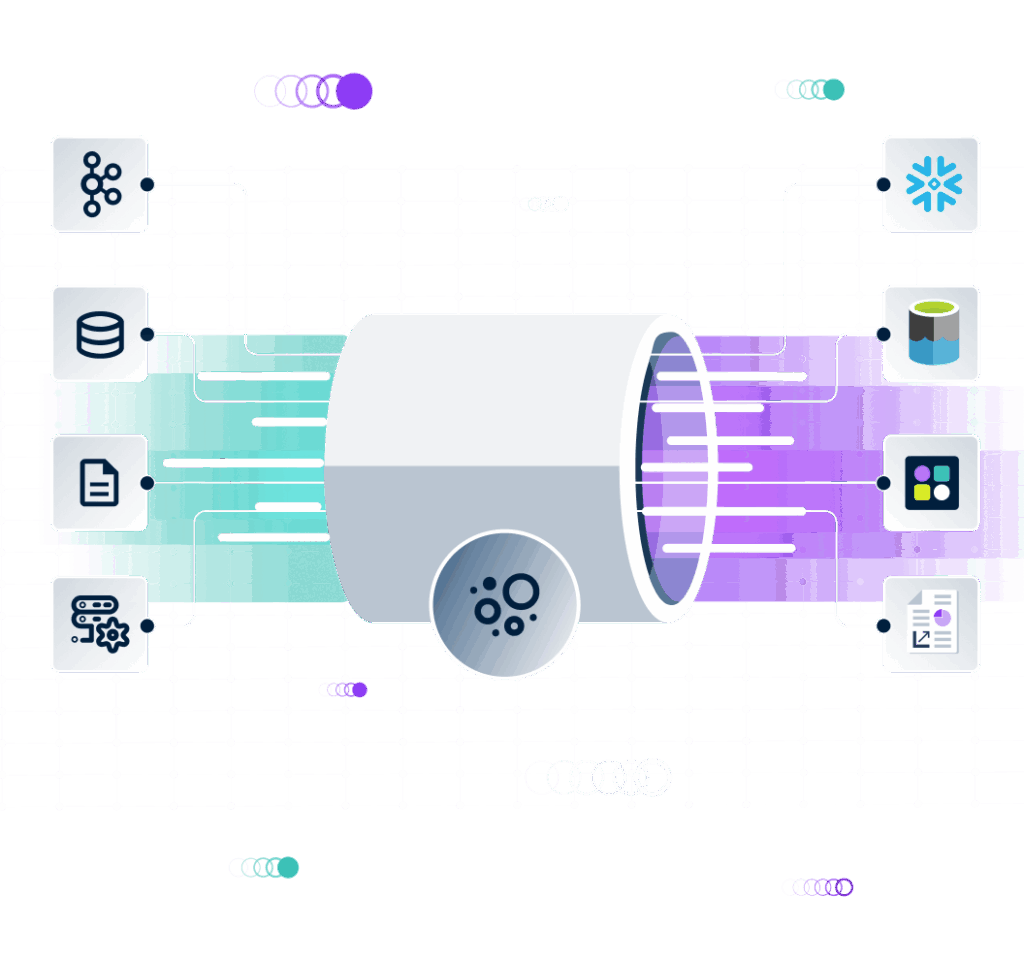
Eso es precisamente para lo que se diseñó CONNX para Kafka. Sirve de puente entre los «datos en reposo» del mainframe y los «datos en movimiento» en Kafka, y lo hace de forma segura, continua y sin necesidad de reescribir ni una sola línea de código.
CONNX para Kafka permite a los administradores de bases de datos definir e implementar conexiones en cuestión de minutos, en lugar de semanas. Los flujos se ejecutan en una sola dirección, lo que garantiza que el rendimiento y la seguridad del mainframe se mantengan intactos. Y, dado que utiliza el lenguaje nativo de las fuentes de datos de IBM Z, la integración se lleva a cabo sin riesgos ni interrupciones.
- Integración no disruptiva. Conéctese de forma segura y rápida sin cambiar las aplicaciones principales.
- Sincronización continua. Publica de forma continua transacciones de mainframe actualizadas en temas Kafka.
- Gobernanza de nivel empresarial. Mantenga el control, el cumplimiento y la visibilidad en todo el proceso. Se integra con las políticas empresariales de seguridad, auditoría y gestión de esquemas.
Es la forma más sencilla de ampliar el alcance de Kafka a los sistemas en los que más confías.
Lo que puedes hacer una vez que los datos comiencen a fluir
La integración de los datos del mainframe en el modelo Kafka abre nuevas posibilidades para todos los proyectos de innovación de su empresa. Una vez que el mainframe esté conectado a los flujos de datos del modelo Kafka, podrá combinar décadas de historial transaccional con datos en tiempo real para descubrir tendencias y conocimientos que antes no eran visibles. Los modelos de detección de fraudes ganan en precisión. Los análisis de clientes se vuelven más completos. Los sistemas de la cadena de suministro reaccionan más rápido a los cambios en la demanda. Se pone a su alcance potentes sistemas internos de IA, que se basan en flujos de datos en tiempo real, vastos y de alta calidad, para entrenar y adaptar modelos.
Kafka ya ofrece esos flujos de datos, y CONNX para Kafka aporta los datos fiables y estructurados que les dan sentido. El resultado no es solo una transferencia de datos más rápida, sino una gestión empresarial más inteligente.
Completando el cuadro
Kafka se ha convertido en el tejido conectivo del negocio digital al redefinir la forma en que las organizaciones modernas conciben el movimiento de datos. Pero el panorama no estará completo hasta que el mainframe —el sistema que sigue ejecutando sus cargas de trabajo más críticas— forme parte de esa historia.
Con CONNX para Kafka, puedes ampliar la potencia de Kafka a tu fuente de datos más valiosa. Sin migraciones. Sin reescrituras. Sin interrupciones del servicio. Solo una transmisión segura y continua desde la plataforma en la que más confías hacia la que impulsa tu futuro.
Ya has invertido en Kafka. Ahora saca partido a esa inversión sacando partido a los datos que definen tu negocio. Obtén más información Descubre cómo CONNX para Kafka puede ayudarte a transmitir datos de mainframe a tus sistemas basados en Kafka y acabar con los silos de datos.
Turn Mainframe Data Into
Real-Time Intelligence for AI
Watch our 30-minute webinar recap on transforming trusted mainframe data into real-time events for modern AI, automation, and business analytics.
CONNX
CONNX offers seamless data integration across mainframe and cloud, enabling real-time insights and modernizing legacy systems for data-driven decision-making.

El Nuevo Camino hacia la Modernización: Empoderando a los Equipos con Acceso a Datos de Mainframe
Un camino claro hacia el acceso no invasivo a datos de mainframe y una vista única en todos los sistemas, para que los equipos puedan actuar más rápido con datos confiables para análisis, IA y nube híbrida.